

Concrete Removal in Northwest Arkansas — What It Costs and What It Takes
Concrete is the problem material in residential and commercial demolition. It's everywhere — driveways, patios, sidewalks, garage floors, basement slabs, retaining walls, old foundations — and it's heavy in a way that surprises people who've never dealt with it at scale. A cubic yard of concrete weighs approximately 4,000 pounds. Let that sink in. Four thousand pounds per cubic yard. A standard residential driveway can easily contain 10 to 15 cubic yards of concrete. That's 40,000 to 60,000 pounds of material that has to be broken up, loaded, and hauled somewhere.
This is why concrete removal is its own category in the demolition world — and why the equipment and container requirements for a concrete job are completely different from a wood-frame demo or a standard cleanout.
The Types of Concrete Removal Work in NWA
Driveway removal. One of the most common concrete jobs in NWA right now, especially in the established neighborhoods of Bentonville, Rogers, and Fayetteville where original driveways are aging and being replaced. A standard two-car driveway — roughly 20 feet wide by 40 feet long — contains approximately 10 cubic yards of concrete, which works out to around 40,000 pounds. This is HD container territory, full stop.
Patio and sidewalk removal. Smaller volume than a driveway but the same density consideration applies. Old concrete patios being replaced with pavers or wood decking, aging sidewalks being lifted by tree roots, and the accumulated concrete flatwork around older properties all generate material that needs the right container.
Garage floor removal. When a garage floor has heaved, cracked, or is being replaced as part of a renovation, the old slab comes out first. Garage floors are typically 4 to 6 inches thick — substantial weight in a relatively small footprint.
Basement slab removal. Basement renovation sometimes requires removing the existing slab to lower the floor elevation, address drainage issues, or install new systems. This is the highest-volume concrete removal scenario in residential work and almost always requires multiple container loads.
Foundation removal. When a structure is being demolished and the foundation isn't being reused, the foundation comes out too. Poured concrete or block foundations generate significant weight and require both heavy equipment to break it up and the right container to receive it.
Retaining wall removal. The Ozark topography that characterizes NWA creates a lot of retaining walls — block and poured concrete walls managing grade changes on residential and commercial properties. When those walls fail or need to be reconfigured, the removal generates dense debris.
Why Standard Containers Don't Work for Heavy Concrete
A standard 30-yard roll-off container from Outbound includes 4 tons (8,000 pounds) of weight in the base price. A mid-size driveway removal can generate 40,000 pounds of concrete — five times the standard weight allowance. If you tried to load a full driveway worth of concrete into a standard container, you'd hit the weight limit while the box was barely a quarter full. You'd be paying overage on every ton above 4 and the container would still look empty.
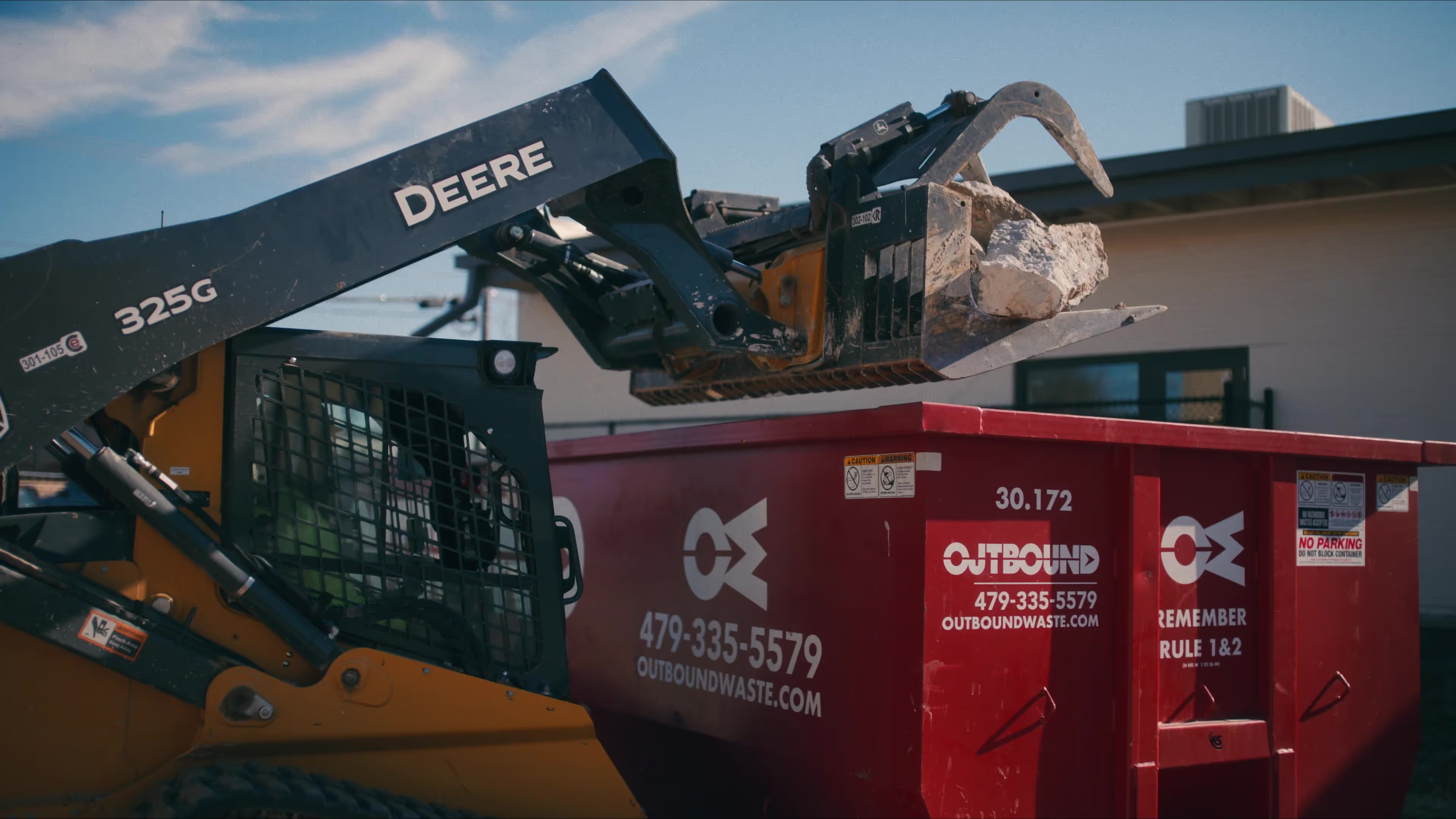
This is exactly what the 30-yard HD (Heavy Duty) container is built for. The HD is designed specifically for dense, heavy material — concrete, block, masonry, and structural debris. The weight accommodation is higher, the container is engineered to handle the stress of heavy material load, and it's priced and structured to make sense for a demolition scope rather than a construction debris scope.
For any concrete removal project, call us before booking a container and describe what you're removing. We'll make sure you have the right tool for the job rather than finding out mid-project that a standard container isn't going to work.
What Concrete Removal Costs in NWA
Concrete removal pricing has two components: the demolition/breaking work and the disposal.
If you're removing concrete as part of a larger Outbound Demo project — a full driveway replacement ahead of a new build, a foundation removal as part of a teardown — the concrete removal is part of the demolition scope and priced accordingly. Heavy equipment breaks up the concrete and loads it into the appropriate container.
If you're managing the breaking and loading yourself and just need the right container, Outbound provides 30-yard HD containers at flat-rate pricing with weight allowances appropriate for concrete disposal. The overage rate per ton applies above the included weight.
The disposal cost for concrete is also worth knowing: clean concrete has recycling value. Approximately 85% of concrete disposed of in roll-off containers gets recycled — it gets crushed and processed into road base and fill material. This is good news for the environment and occasionally affects disposal pricing at the transfer station for clean, unmixed concrete loads.
How Heavy Equipment Changes the Math
Breaking up concrete by hand — sledgehammers, pry bars, and manual labor — is how it used to get done and it still happens on small jobs. A 4x4 section of patio can be broken up by hand with enough time and effort.
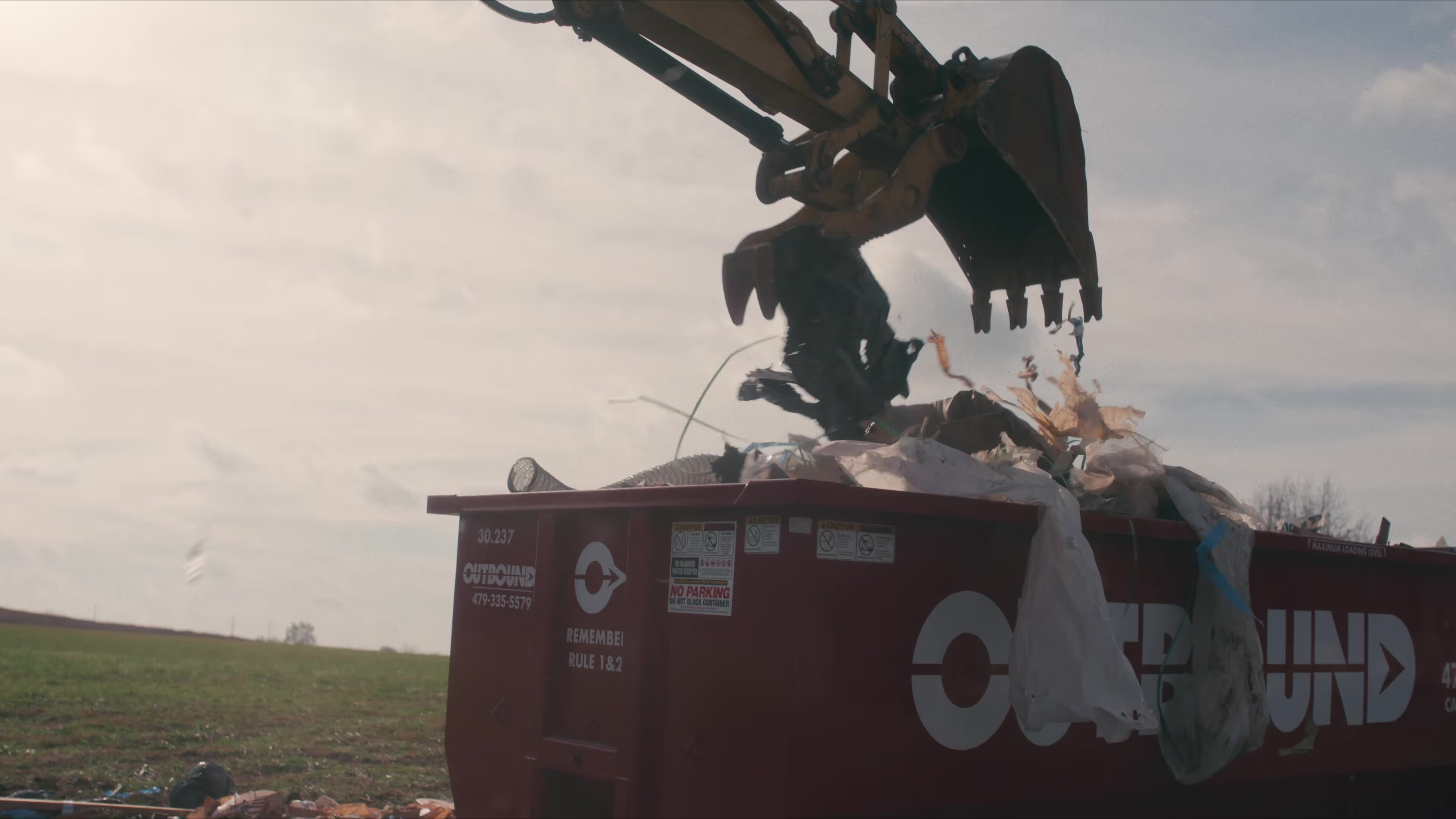
Anything at driveway scale or larger, the math changes completely when heavy equipment enters the picture. An excavator with a hydraulic breaker attachment breaks up what would take a crew days in a matter of hours. For a full driveway removal or foundation clearing, the equipment rental or contractor cost for the breaking work is almost always offset by the labor savings.
Outbound Demo uses heavy equipment for all structural demolition and concrete removal projects. If you need a driveway, foundation, or substantial concrete flatwork removed in NWA, call us for a quote on the full scope — breaking, loading, hauling, and disposal.
Call or text 479-335-5579 or visit CallOutbound.com.