

Dumpster Rental for Land Clearing in NWA — What You Need to Know
Land clearing is one of those project categories that looks simple from a distance and gets complicated fast once you're standing on the site. You've got acreage. Things need to come off it — trees, brush, old structures, debris accumulated over years. The ground needs to be cleared, graded, and ready for whatever comes next. How much of that generates roll-off container demand, and what does the logistics actually look like?
The answer depends heavily on what you're clearing and why, so let's break it down.
What Land Clearing Actually Involves
Land clearing covers a spectrum from light brush clearing to full site preparation for development. The roll-off and demolition demand varies significantly across that spectrum.
Light brush and vegetation clearing. Overgrown fence lines, scrub growth on vacant lots, light vegetation on acreage being prepared for agriculture or passive use. This generates organic debris — branches, brush, root balls — that can go in a standard roll-off container or be chipped and mulched on site depending on volume and site conditions. For lighter clearing, a 30-yard container handles the debris without needing anything specialized.
Heavy brush and tree clearing. Larger trees coming down as part of site preparation for a subdivision, acreage being cleared for new construction, or wooded lots being opened up for residential use. This generates significant volume — a mature tree produces a lot of wood once it's cut and chipped. Tree trunks and large limbs don't compact well in a roll-off container. This scope is typically handled with a combination of chipping on site (for brush and smaller limbs) and roll-off containers for the material that doesn't chip efficiently.
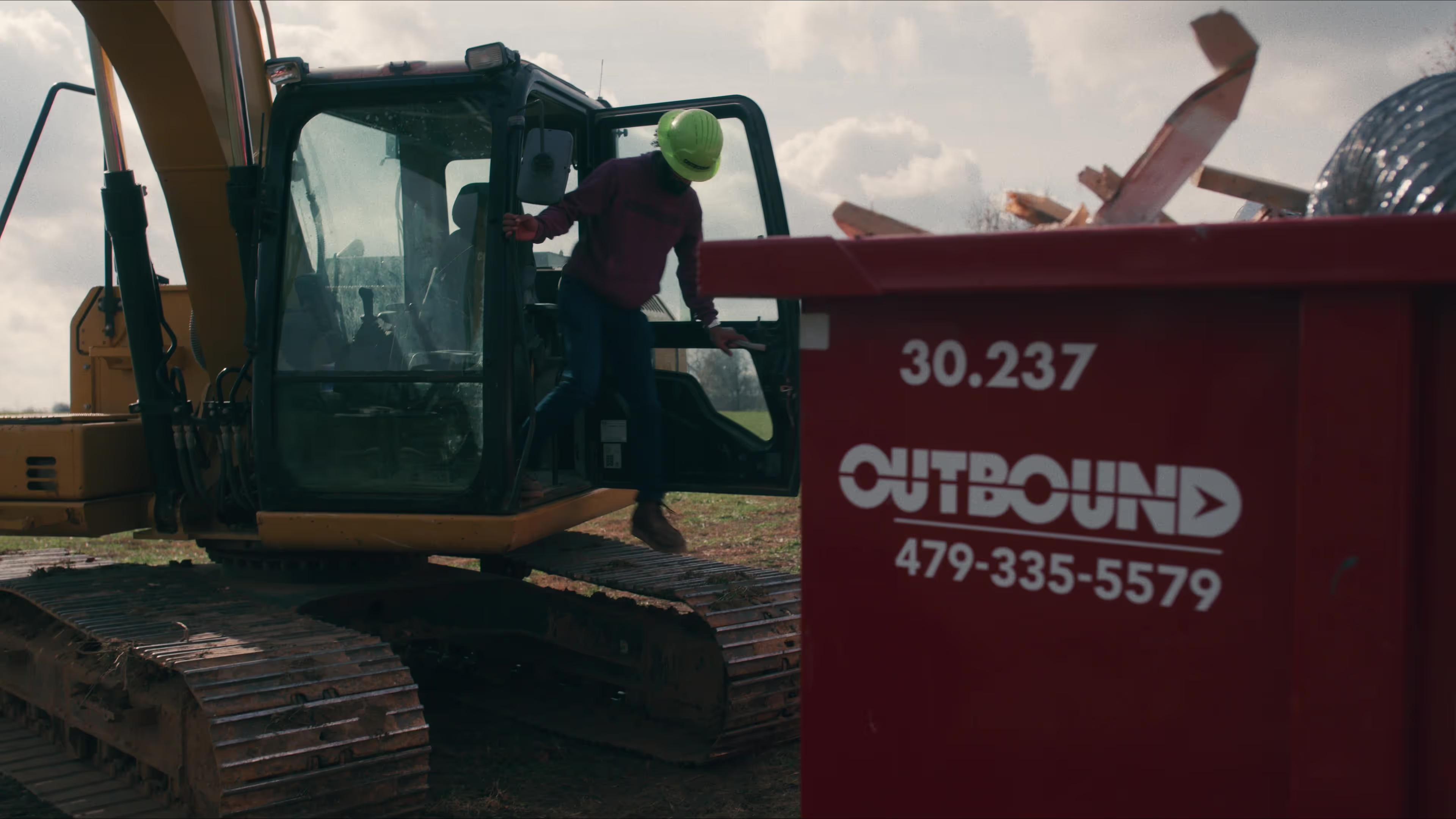
Old structure clearing. The most common land clearing scenario that Outbound handles directly — rural acreage that has old barns, outbuildings, farmhouses, or agricultural structures that need to come down before the land can be developed, sold, or repurposed. This is structural demolition scope combined with debris management, and it's where Outbound Demo and Outbound's roll-off service work together as a single job. The structures come down with heavy equipment, the debris goes into the appropriate containers.
Full site preparation. For larger development projects — a new subdivision plat, a commercial development, a large residential build on cleared acreage — the land clearing scope can involve a combination of tree clearing, old structure removal, brush removal, and grading work. Roll-off containers handle the debris volume that gets generated as the site is cleared and prepared.
What Makes NWA Land Clearing Unique
The Ozark topography that defines Northwest Arkansas creates specific land clearing considerations that don't exist in flat terrain markets.
Grade. Most NWA land has significant grade variation. Clearing sloped acreage requires awareness of erosion control and how clearing activity affects runoff patterns. This affects sequencing — what gets cleared in what order, how debris gets staged before removal.
Rock. The limestone and sandstone underlying much of the Ozark terrain creates rocky soil conditions that show up during clearing and grading. Unexpected rock during site prep is one of the most common budget surprises in NWA land development. It's not directly a roll-off issue but it affects the overall project scope.
Rural access. Land clearing on rural Benton and Washington County acreage often involves gravel roads, gate access, and site conditions that affect equipment and truck access. Planning the debris removal logistics before clearing starts — rather than figuring it out once there's a pile of material on the site — saves time and cost.
The Container for Land Clearing Debris
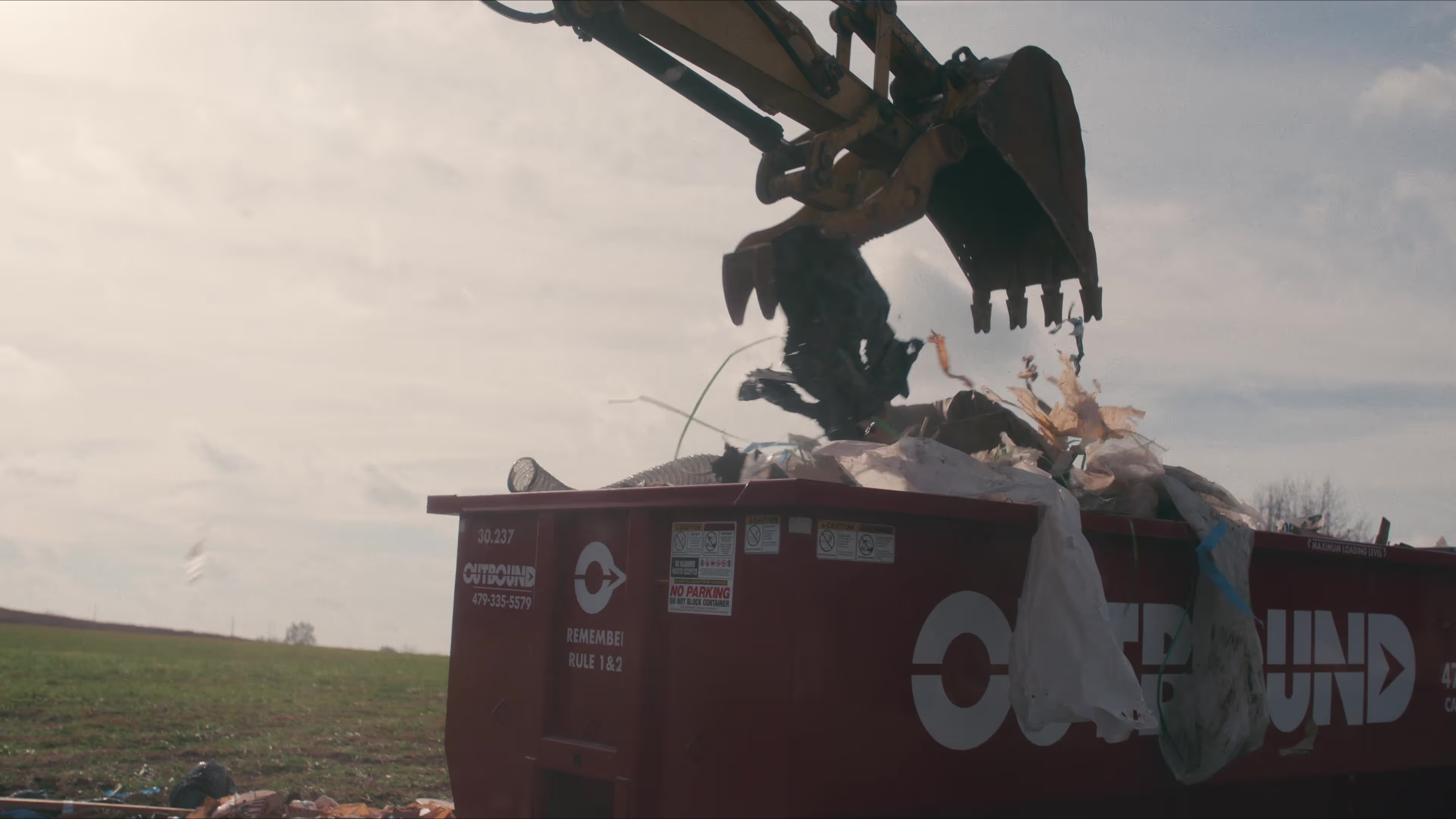
For clearing jobs that generate primarily organic debris — brush, limbs, trees — a standard 30-yard container works fine. Organic material is bulky but light relative to its volume, so you're limited by the cubic footage before you hit the weight limit.
For jobs with structural demo scope — old buildings coming down as part of the clearing — the container type depends on the construction material. Wood-frame structures: standard 30-yard. Concrete block, masonry, or mixed heavy material: 30-yard HD.
For large-volume clearing jobs with multiple material types, we coordinate multiple containers and stage the debris appropriately. One call, one company managing the logistics rather than coordinating multiple vendors.
Searching for Land Clearing and Dumpster Rental in NWA?
Outbound serves the full NWA market — Bentonville, Fayetteville, Rogers, Springdale, Bella Vista, and all the surrounding communities across Benton and Washington Counties, plus the rural county areas where most of the land clearing activity happens. Same-day and next-day delivery available. Outbound Demo for the structural demo scope. Roll-off containers for the debris.
Call or text us with a description of what you're clearing, the site conditions, and what you're planning to do with the land afterward. We'll help you think through the logistics before you start.
Call or text 479-335-5579 or visit CallOutbound.com.