What Can and Can't Go in a Roll-Off Dumpster in Arkansas
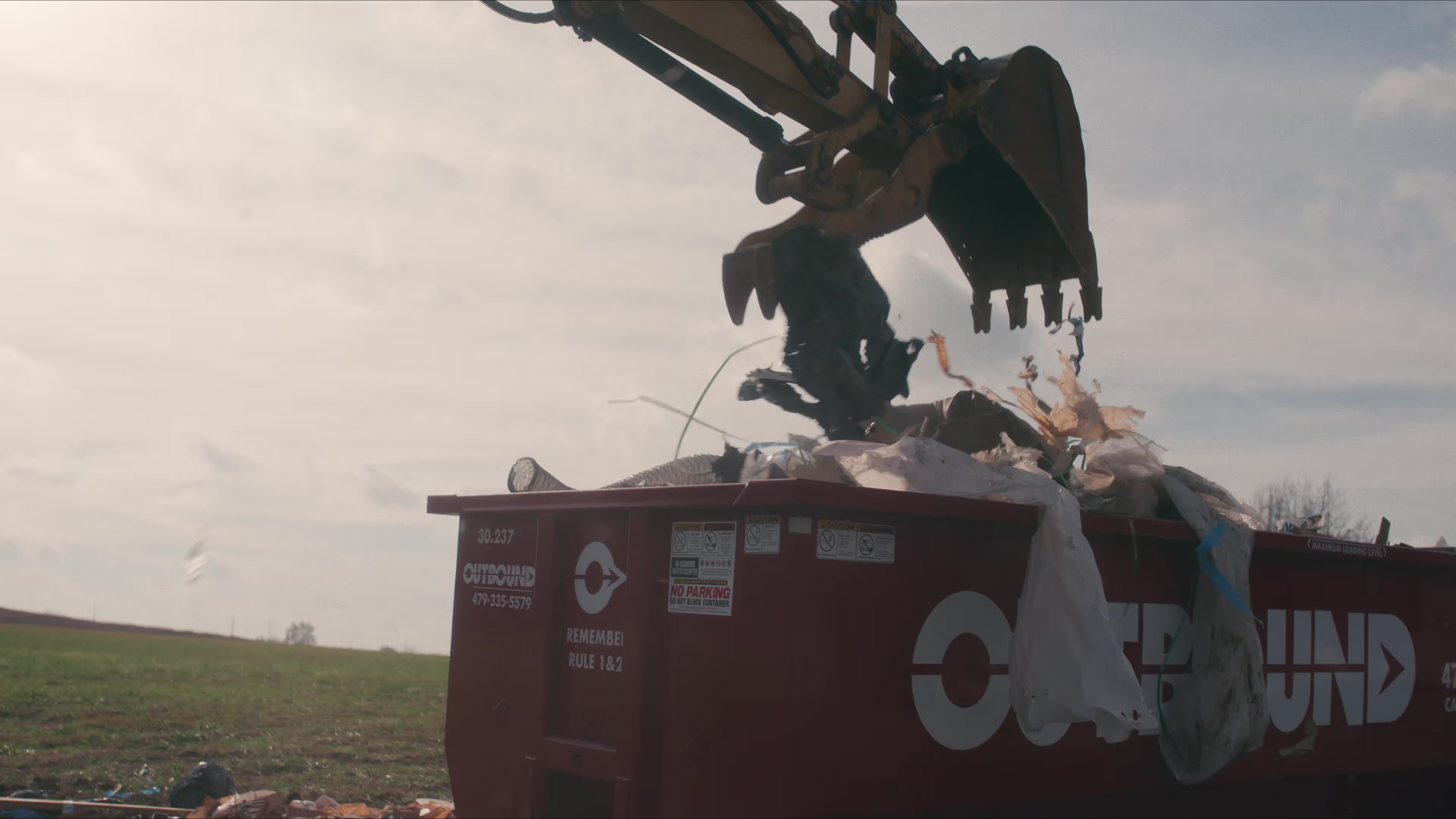
This is the question we get more than almost any other, and it's a fair one. You've rented a large trash bin, a roll-off container, a debris box — whatever you call it — and now you've got a pile of material and you want to know what goes in and what doesn't. The short answer is most construction debris and household junk is fine. The exceptions are specific, and they matter — both for legal reasons and because loading the wrong material can cost you real money if we have to clean the container before disposal.
Here's the full breakdown.
What You Can Put in a Roll-Off Dumpster
For construction and remodel projects: lumber and framing scraps, drywall, roofing shingles, flooring materials (hardwood, laminate, tile, carpet), cabinets and countertops, doors and windows, insulation, concrete up to the weight limit, brick and masonry, packaging and cardboard, metal scraps, and general construction debris.
For residential cleanouts, junk removal, and estate cleanouts: furniture, mattresses, appliances (with one exception — see below), clothing and household items, yard waste and landscaping debris, and general household junk.
Dry latex paint is acceptable — but only if it's 100% dry. Fully dried latex paint in cans can go in. Liquid paint of any kind cannot.
What Cannot Go in a Roll-Off Dumpster
This is where people get caught off guard, and loading prohibited materials is how a simple project turns into an unexpected bill.
Liquid waste of any kind. No exceptions. The container isn't sealed and liquids create contamination issues at the disposal facility.
Automotive fluids. Motor oil, transmission fluid, brake fluid, antifreeze, differential fluid, and oil filters. These go to an automotive recycler or hazardous waste facility.
Hazardous waste. Anything radioactive, corrosive, toxic, explosive, or biohazardous.
Contaminated soil. Clean fill dirt is generally fine in the right container. Soil contaminated by petroleum or chemicals is not acceptable.
Lawn and agricultural chemicals. Fungicides, herbicides, pesticides — household hazardous waste collection only.
Solvents, fuels, and flammable liquids. Gasoline, diesel, kerosene, acetone, lacquer thinner, MEK.
Aerosols and compressed gas. Even empty aerosol cans with residual propellant are problematic.
Liquid paint. Dry latex paint is fine. Anything liquid — oil-based, latex in liquid form, stain, varnish — is not acceptable.
Explosives. This includes ammunition, Tannerite, and fireworks.
Lead paint in liquid form or chips. Hazardous material — needs proper disposal.
Industrial waste. Commercial or industrial chemical waste needs a licensed hazardous waste disposal company.
Household chemicals. Cleaning products, pool chemicals — hazardous waste collection.
Batteries. Car batteries and large rechargeable batteries go to a recycler.
Televisions and computer monitors. These contain materials requiring special handling. Electronics recyclers take them.
Railroad ties. Treated railroad ties are hazardous material due to creosote treatment.
Tires. Tires require separate disposal through a tire recycler.
Asbestos-containing materials. Any material that contains or may contain asbestos — old floor tile, pipe insulation, roofing felt on older structures — requires licensed abatement and disposal. This is a legal requirement, not a preference.
Freon-containing appliances. Refrigerators, air conditioners, and freezers need the refrigerant recovered by a certified technician before disposal. Once that's done, the appliance shell can go in the dumpster.
Biological and medical waste. Needles, medical waste, and similar materials require specific disposal.
A Note on Concrete and Heavy Material
Standard roll-off containers have weight limits. For Outbound's 30-yard container, that's 4 tons (8,000 lbs) included. Concrete, block, brick, and other dense materials get heavy fast. A relatively small pile of concrete can push a container past its weight limit before the box is anywhere near full.
If your project involves significant concrete or masonry removal, ask us about the 30-yard HD container — built specifically for heavy material loads.
When in Doubt, Call
If you're not sure whether something can go in the container, call or text us before you load it. Two-minute conversation that saves everyone the hassle of a rejected load.
Call or text 479-335-5579 or visit CallOutbound.com.